
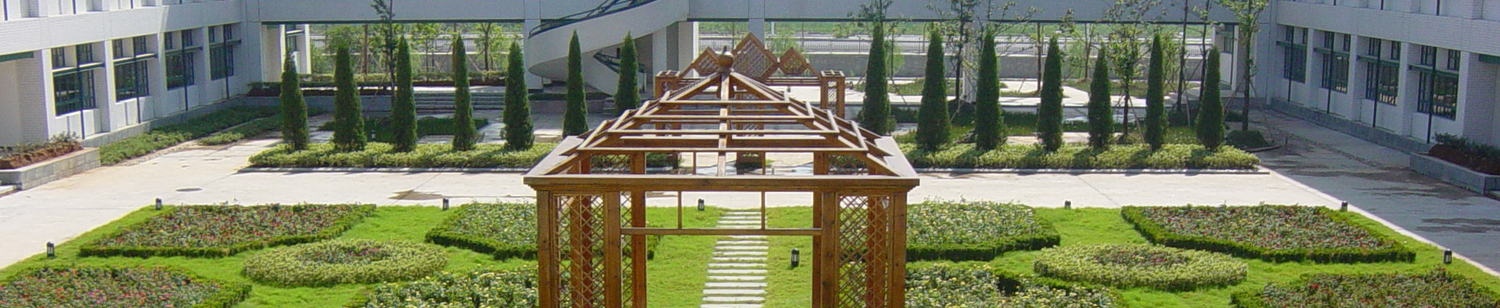
On June 10, 2026, the 7th Zijingang Global Youth Forum on International Studies & Symposium on Computational Literary Criticism and Literary Studies in the Era of AI, co-hosted by the Institute of Interdisciplinary Studies of World Literature and the Institute of Foreign Literature, was held at Zhejiang University (ZJU). During the symposium, Chinese and foreign experts engaged in in-depth exchanges on topics including the interdisciplinary integration of AI and literary studies, methodological innovation in computational criticism, the theoretical boundaries of affective computing, the construction of comparative literary geography, and epistemic justice.
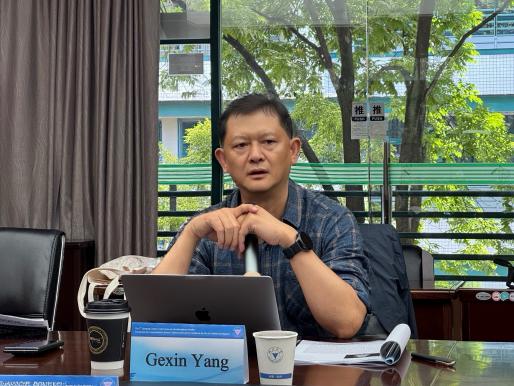
At the opening ceremony, Professor YANG Gexin, Director of the Institute of Interdisciplinary Studies of World Literature, ZJU, delivered the opening speech. He remarked that AI is currently reshaping the overall landscape of humanities research at an speed unseen before, especially in literary studies. As a bridge connecting traditional literary studies with digital technologies, algorithmic models, and interdisciplinary theories, computational literary criticism has already become a crucial frontier of academic research. He also emphasized that this Global Youth Forum is designed to be a platform for dialogues on theoretical and methodological innovation. He called on participating scholars to jointly address the AI-driven opportunities and challenges facing literary studies with openness and inclusivity. Moreover, Professor YANG affirmed the role of young scholars as the key driver of interdisciplinary studies, noting that the “Global Youth Forum” is named to spark their innovative vitality and inject steady momentum into interdisciplinary literary studies.
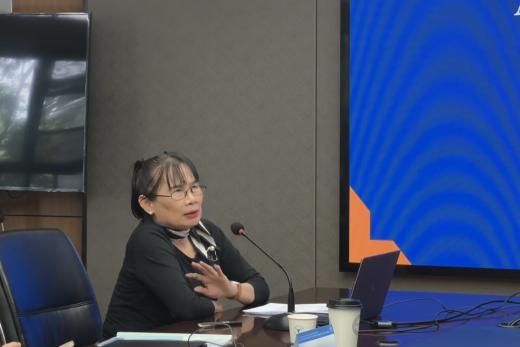
As Editor-in-Chief of UNITAS, an international journal, Professor Maria Luisa Torres Reyes from the University of Santo Tomas, Philippines, delivered a keynote speech entitled “AI, Indexing, and Epistemic Justice”. She explored the ethical challenges and institutional impacts brought by AI to academic publishing. Professor Reyes pointed out that the visibility of academic achievements is highly concentrated in a few indexing platforms and algorithm-driven infrastructures, which is the core dilemma facing the current global knowledge system. Mainstream academic systems and emerging AI tools are increasingly acting as the arbiters of knowledge “visibility” and “recognition”, leading to a severely unequal structure in the global academic ecology. She advocated for the construction of decentralized academic infrastructures, so as to enable AI to genuinely serve academic diversity and epistemic justice.
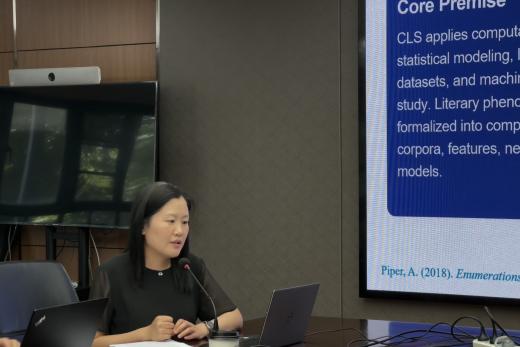
Professor SU Chen from ZJU delivered a keynote speech titled “The Generation and Construction of Algorithms: The Epistemological Shift from ‘Representation’ to ‘Performativity’ in Computational Literary Studies”. Based on a systematic literature review and critical reflection on the field of computational literary studies, she presented that a substantial amount of research has long been dominated by the “discovery paradigm”, which treats algorithms as transparent tools. She also argued that algorithms are not neutral tools but rather research apparatuses that organize materials, define categories, amplify differences, produce errors, and continuously generate new research questions. She emphasized that a “performative” research approach can foster a more responsible computational criticism.
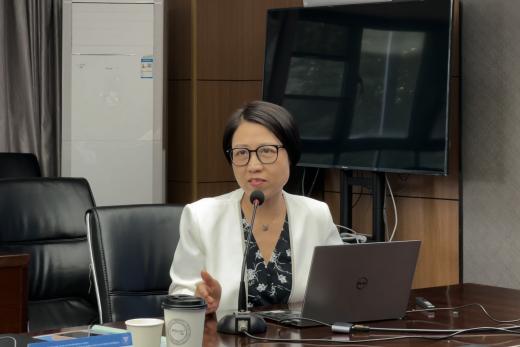
Professor FANG Ying from Zhejiang University of Technology (ZJUT) delivered a keynote speech “Towards a Comparative Literary Geography”, elaborating the disciplinary construction logic and research framework of comparative literary geography. She established a comprehensive framework across three dimensions, including disciplinary positioning, research paradigms, and core research areas, which covers directions such as regional literary studies, genre-space studies, spatial theme studies, comparative literary cartography, and comparative geopoetics. The research systemically addresses the limitation in the construction of the disciplinary system and provides a clear theoretical framework for cross-regional comparative studies in literary geography.
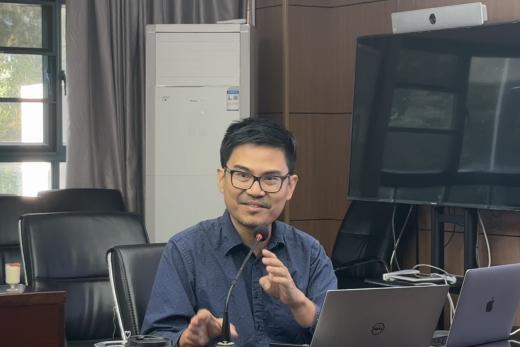
As Editor-in-Chief of Kritika Kultura, an authoritative international journal, Professor Vincenz Serrano from Ateneo de Manila University, Philippines, delivered a keynote speech entitled “A Is for Archipelago: Aesthetics of the Alphabet in Ho Tzu Nyen’s The Critical Dictionary of Southeast Asia”. Based on the literary theory of alphabetical structure, he interpreted the alphabetical aesthetics and regional cultural implications in Ho Tzu Nyen’s multimedia work. He stated that alphabetical sequences carry metaphors of order and power, while the work’s algorithm-driven form, structured by the alphabet, precisely echoes the community characteristics of “plurality, mobility, and inclusivity” in Southeast Asian archipelagic societies. This research, with a combination of formal aesthetic analysis and postcolonial regional studies, provides a brand-new interpretive path for understanding the cultural and political connotations of contemporary Southeast Asian art.
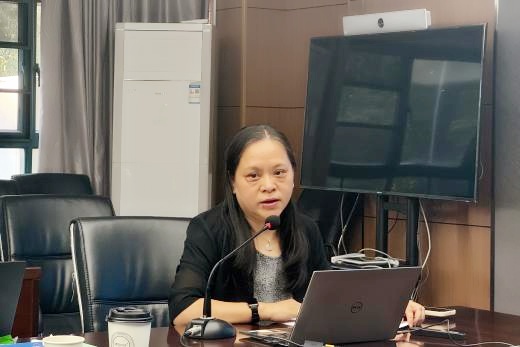
Associate Professor SUN Yanping from ZJU delivered a keynote speech entitled “The Possibility and Limit of Affective Computing: An Investigation Based on Spinoza-Deleuze’s Theory of Affect”. She explored the theoretical connections and boundary issues between Spinoza’s theory of affect and contemporary AI affective computing. Relying on Deleuze’s interpretation of Ethics, she proposed the concept of “fugitive affects”, which means such affects are difficult to symbolize or conceptualize and constitute a limitation that current computational models cannot overcome.
During the roundtable session, young scholars exchanged their views on AI, affective computing, and humanistic creation and other topics. LIN Xiao, a PhD student of ZJU, shared that existing sentiment analysis models still have limitations in identifying subtle emotional differences, and the theory of “fugitive affects” provides a new path of ideology for related research. Starting from the practice of human-machine co-writing, LOU Yu, a PhD student of ZJU, argued that technological development should be premised on maintaining authentic people-to-people connections. GAO Ying, a Master student of ZJU, validated the existence of “fugitive affects” on an empirical level through a sentiment analysis experiment on Jane Eyre, and proposed the idea of integrating quantitative analysis and traditional close reading of texts. FANG Zhi, a PhD student of ZJU, believed that AI creation pursues extreme perfection, while the value of humanities research lies precisely in uncovering rich connotations from “imperfections”. Moreover, Teacher LIN Shicong from ZJUT added that AI generally lacks empathy, and asked questions concerning the naming of contemporary art works from the scholars present. Professor Vincenz Serrano and Professor Maria Luisa Torres Reyes gave answers based on the context of Southeast Asian colonial history and archipelagic theory research, and they suggested that the naming of relevant works is closely related to Southeast Asia’s colonial history, and archipelagic theory can also be expanded from the metaphorical perspective of spatial connection. The lively discussions generated different viewpoints and provided new directions for humanities research and interdisciplinary innovation in the era of AI.
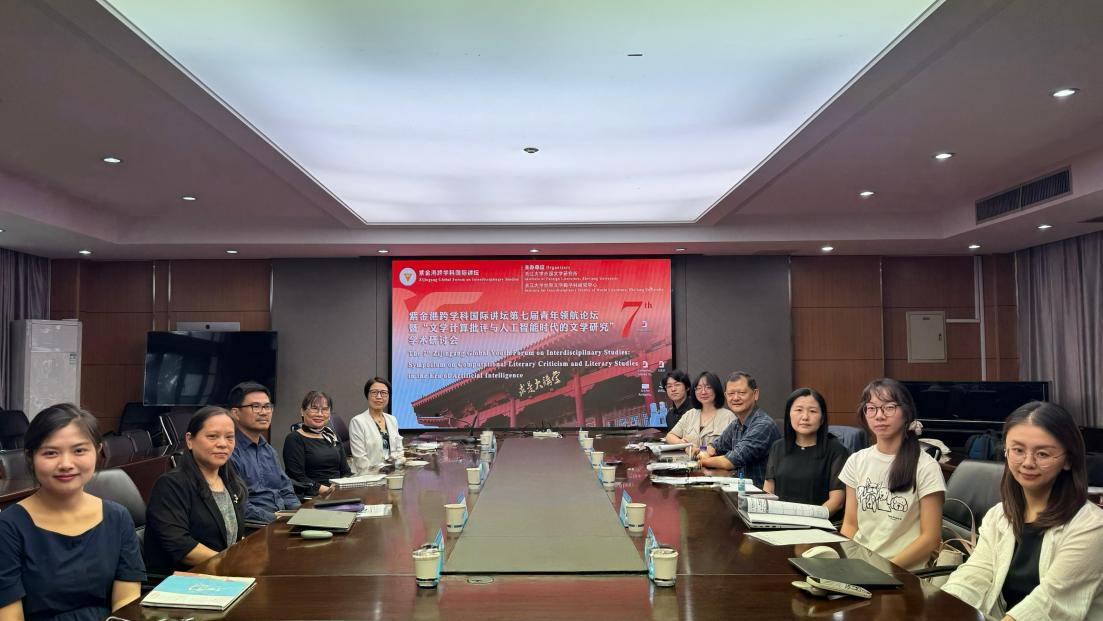
In closing, Professor YANG Gexin delivered a concluding speech. He noted that scholars from various countries provided key insights into the development of digital humanities. AI is reshaping the paradigms of literary studies in multiple dimensions. In terms of creation, AI expands the possibilities of poetry’s rhythm and structure, but humans remain the core subjects of creation through data training and text filtering. In terms of criticism, in the two-way transformation between humanities and technology facilitated by computational criticism methods, one must be wary of ethical biases concealed by the algorithmic black box. And in terms of cultural transmission, the physical nature of printed archives has irreplaceable significance in resisting digital homogenization. Crucially, the application of technology requires deep synergy with the humanistic spirit and literary education should balance the “cold reading” of AI with the “warm interpretation” of humanity to cultivate critical thinking; elder care must transcend technological logic and prioritize embodied experience, and interdisciplinary research needs to integrate multidimensional perspectives. Finally, Professor YANG called upon colleagues in the academic community to uphold the concept of “illuminating technology with humanities” and to shape the future of digital civilization in open dialogues.
Institute of Interdisciplinary Studies of World Literature, ZJU
June 10, 2026
Translated by HONG Jiayao
Proofread by XU Xueying

